How the range fits together
ProCoustic is rarely applied on its own. A ceiling is cleaned before it is coated, because a contaminant left in place bleeds back through the finish, and the coated ceiling is then maintained to stretch the interval before the next restoration. Preparation, coating and aftercare are one system rather than three purchases. The other solutions exist for the surfaces around that ceiling: vinyl-faced tile that have to be wiped down in a kitchen, the fiber-reinforced plastic walls below, and the high-impact fixtures and partitions that paint will not stay on.
Choosing by substrate
The surface decides the solution, whatever the industry and whatever the size of the job.
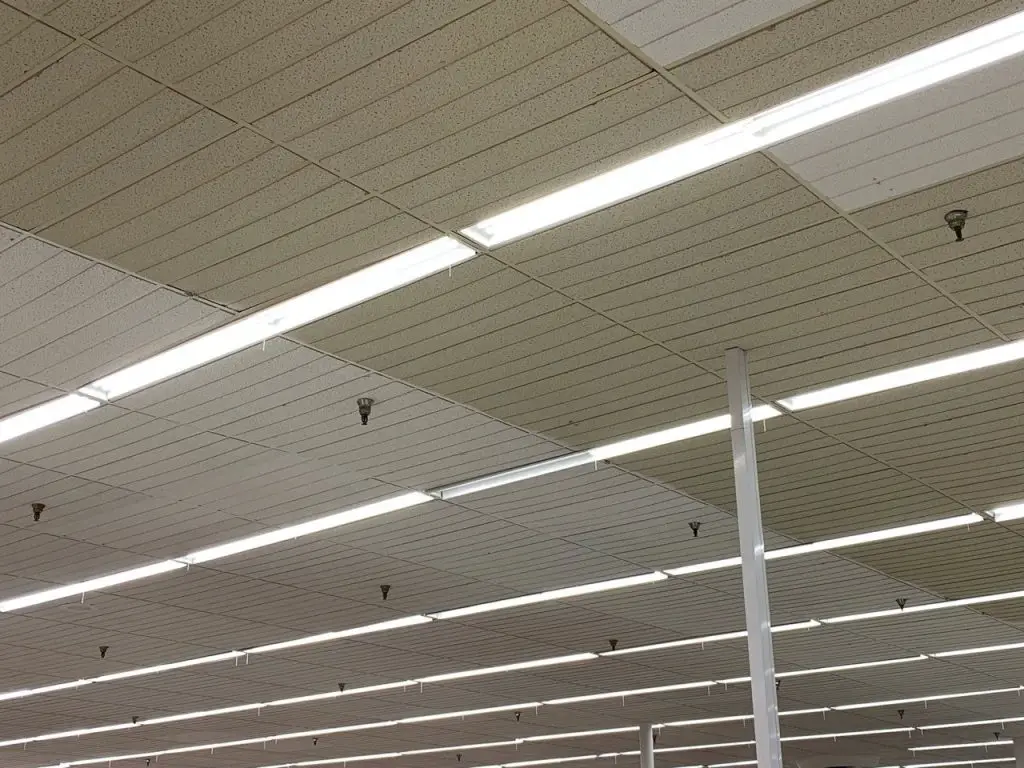
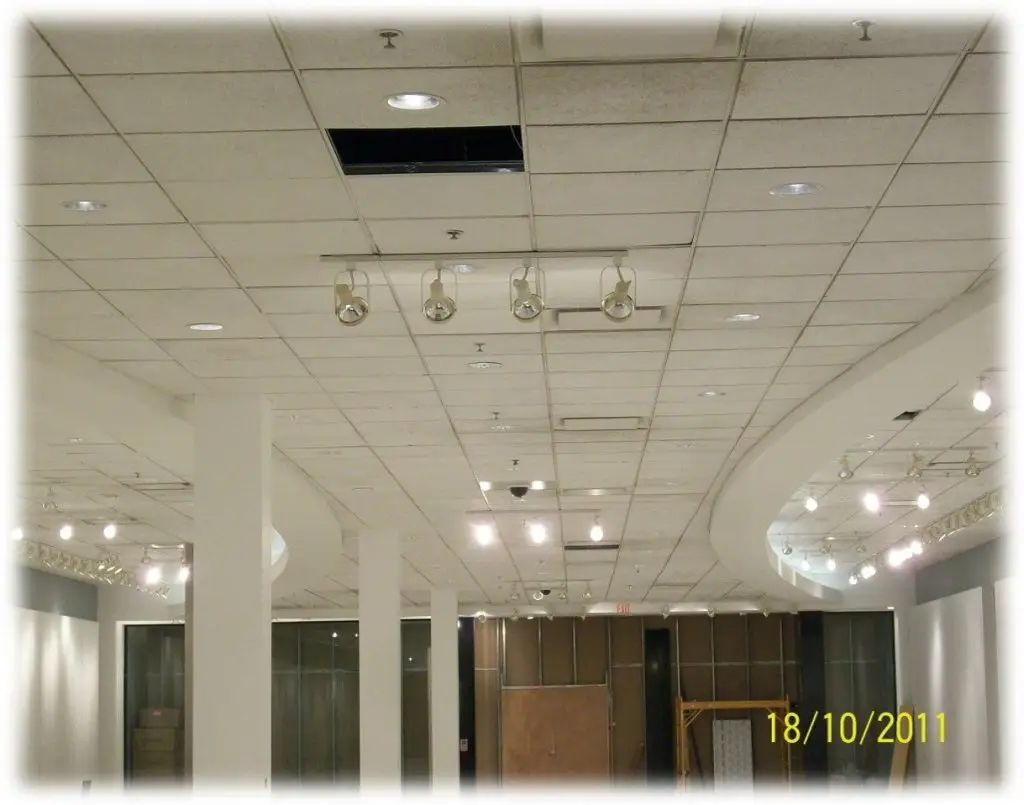
- Mineral fiber or fiberglass acoustical tile, suspension grid, air diffusers. ProCoustic. This is the majority of commercial ceilings and the majority of ProCoat work.
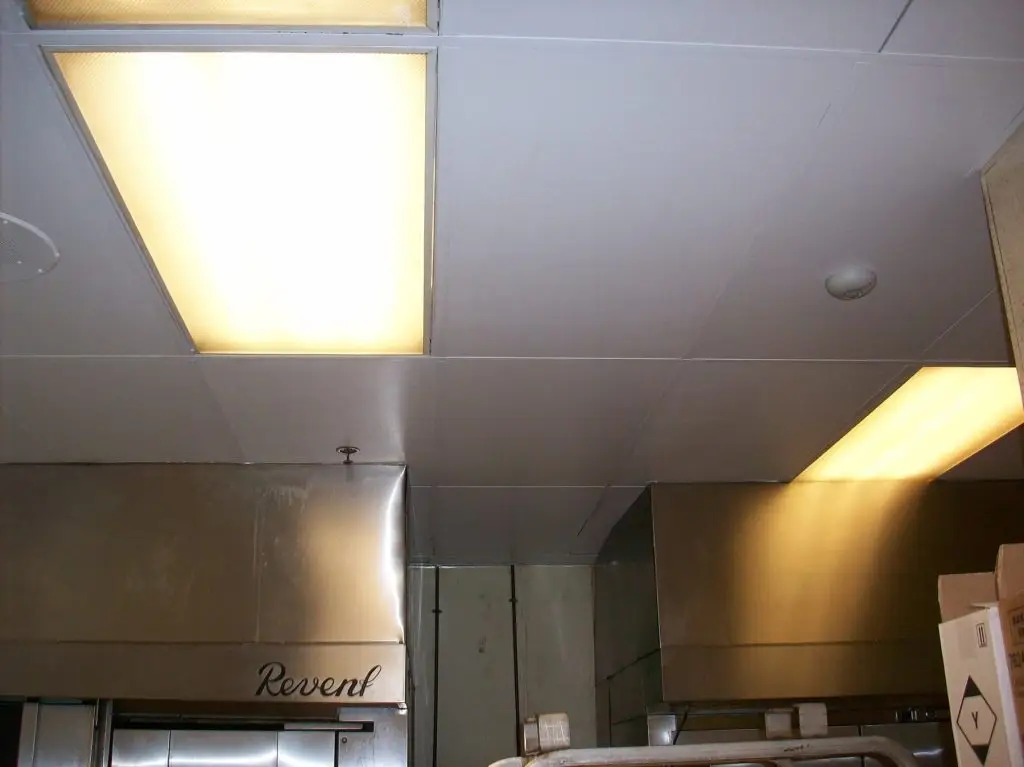
- Vinyl-faced tile. ProVinyl. These are the ceilings specified in kitchens, food preparation areas and clean rooms because they have to be washed.
- Fiber-reinforced plastic wall panels: ProWall, which resurfaces the panels in place, in any color, rather than replacing them.
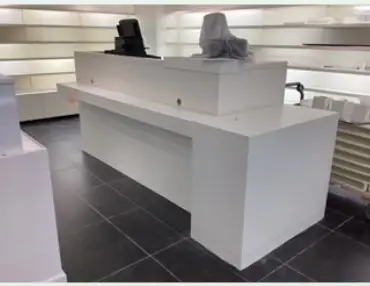
- Laminates, restroom partitions, doors, checkout stands and retail fixtures: ProBond, a specialty high-adhesion coating for high-impact surfaces where ordinary paint scrapes and peels.
A survey settles it. If you are not sure which of these you have, photographs of the ceiling and the grid are usually enough for us to tell you.
What non-bridging means for your ceiling
An acoustical tile works because it is full of perforations. Sound enters the holes and does not come back out. Ordinary paint fills those perforations and bridges the gap between the tile and the grid, and the moment that happens three things are lost: the acoustic absorption the ceiling was specified for, the ability to lift a tile and reach the services above it, and usually the Class A flame spread rating the ceiling was specified with.
A ProCoat coating is formulated not to bridge. The perforations stay open, the tile stays liftable, and the rating is retained. That single property is the reason restoration is a different category from painting, and it is the thing worth verifying on any product you are asked to compare us against.
Coverage, and what it takes to cover a ceiling
ProCoustic covers up to 1,500 square feet per five-gallon pail at a single coat, and ProWall up to 300 square feet per gallon. Coverage depends on the substrate, its texture and porosity, and on the equipment, so the figure to cite in a specification is the one on the current data sheet for that product.
Why a restored surface can outlast a new tile
Think about the tires a new car comes with. They are fitted under mass production conditions to a price, and they wear out long before a better set bought later would. The finish on a ceiling tile is applied the same way, on a production line, to a cost.
A coating sprayed over a structurally sound ceiling is not held to that constraint. It can be a better surface than the one the tile left the factory with, which is why a restored ceiling can hold its color longer than a new tile would in the same building.
Application is overnight, in place
Everything here is applied by airless spray with the tiles left in the grid. Crews work after hours, protect the space, and leave it ready for business the next morning. Nothing is taken down, so there is no dumpster, no tile stacked where customers walk, and no lead time on a discontinued pattern.
Ask for the current data sheet
Fire performance, volatile organic compound content, coverage and dry times are published per product and revised as the formulations are revised. Write a specification from the current technical data sheet rather than from a web page, and read the warranty conditions before the specification is finalized.