Industries

Every building has a reason it cannot close

The ceiling is rarely the hard part. The hard part is the store hours, the semester, the room nights, the first train. Restoration exists because those things do not move.
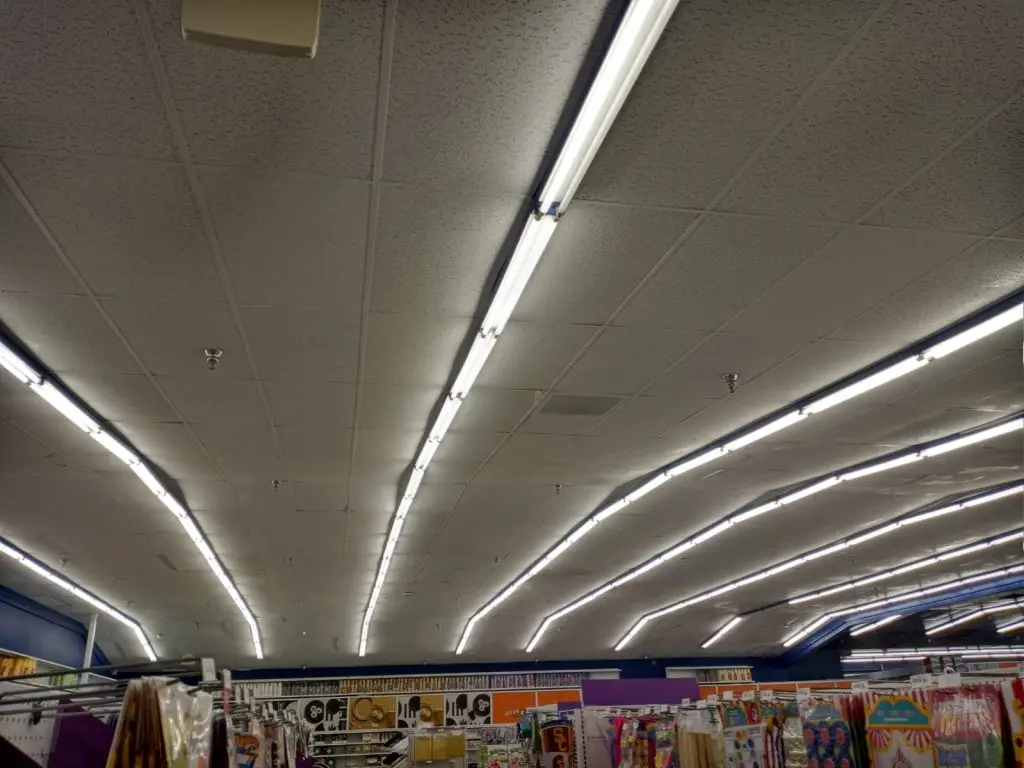
The same retail store acoustical ceiling after ProCoat restoration, coated in place

Retail and grocery

Store hours, program pace, and the questions construction teams ask first.

How it works here
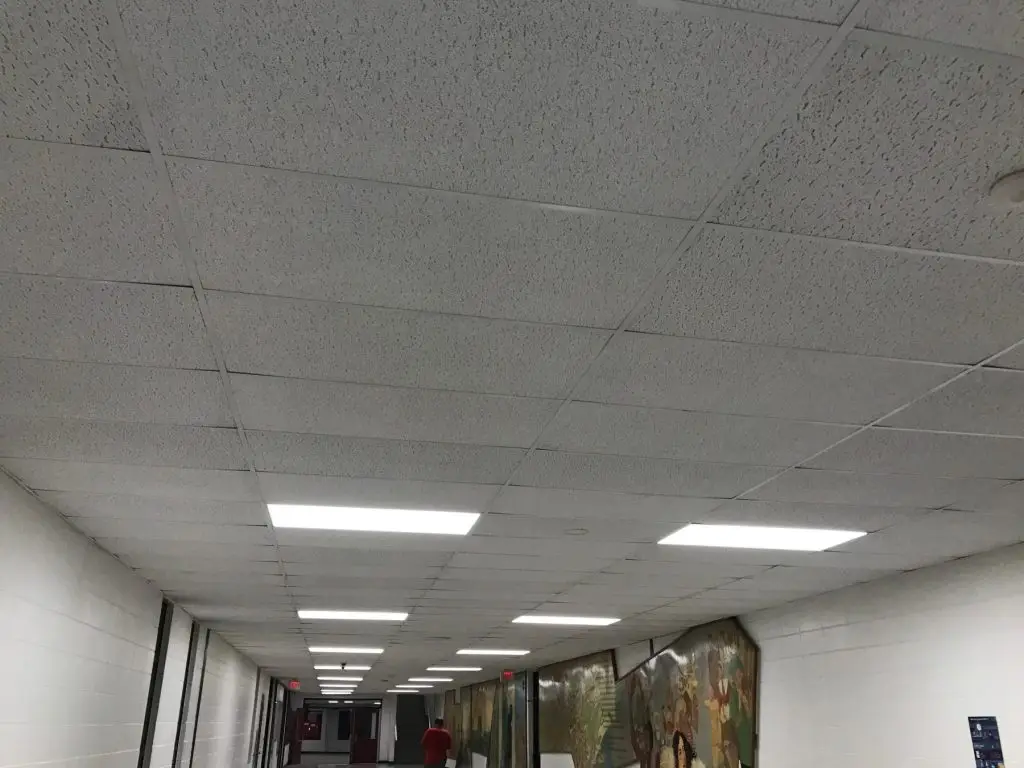
The same school acoustical ceiling after restoration over a summer break

Education

Summer is the window. The work has to be finished before the buses come back.

How it works here
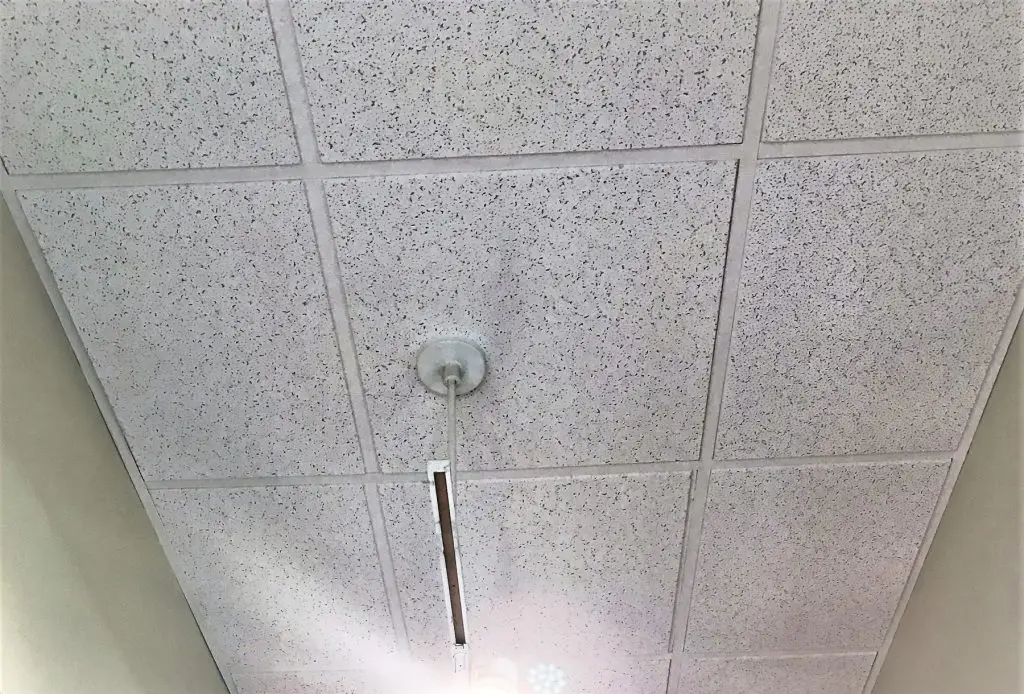
The same dining area acoustical ceiling after restoration

Hospitality

Occupied rooms, a public lobby, and a brand standard that does not allow a dirty ceiling.

How it works here
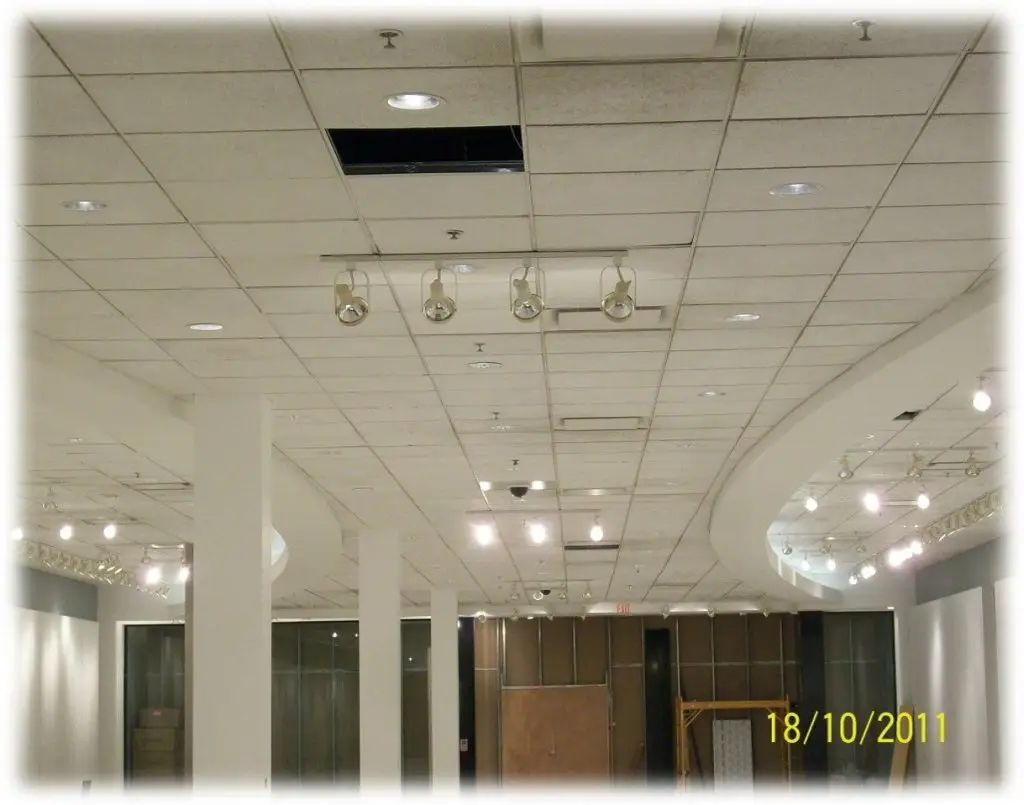
Commercial interior beneath a restored acoustical ceiling, uniform across tile and grid

Finance and insurance

Branch networks, regulated spaces, and work that happens after close.

How it works here
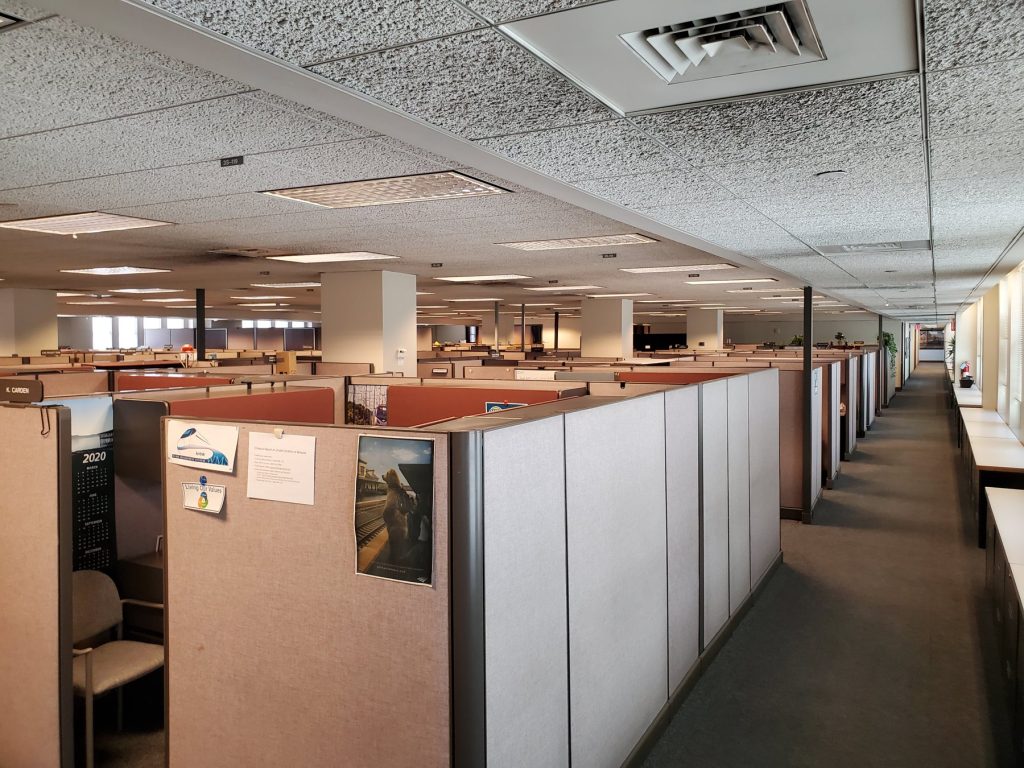
Open plan corporate office with its acoustical ceiling restored in place, worked in shifts around the people still using the building

Corporate

Open plan floors, lease events, and a ceiling nobody budgeted for.

How it works here
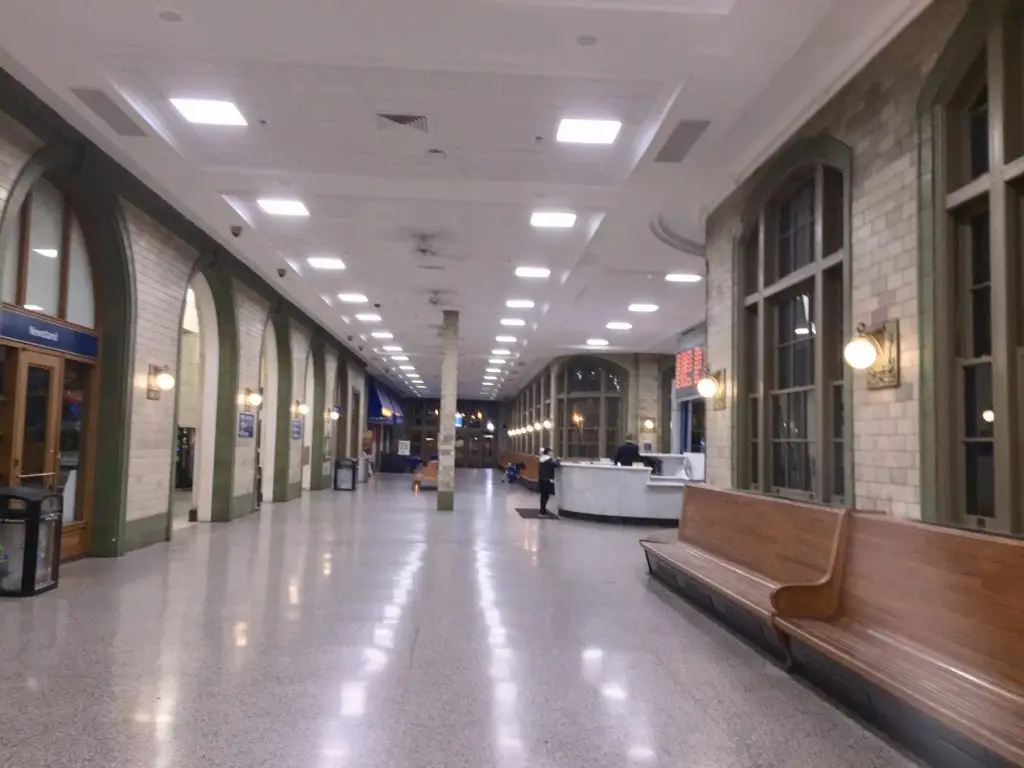
The same concourse ceiling after acoustical restoration, worked in shifts around the public

Transportation

Stations, terminals and headquarters buildings that never fully close.

How it works here
The common pattern

What changes between industries is the window, not the work

A building has an acoustical ceiling that has aged badly. Replacing it means demolition, a dumpster, a lead time on tile that may no longer be made in that pattern, and a space out of use while all of that happens. Restoration means a crew after hours and a building that opens the next morning.

What changes between industries is the window and who signs for it. A grocery director of construction is protecting a grand opening date. A school district is protecting a summer. A hotel is protecting room nights. A station cannot close at all. The work underneath is the same.

What does not change is why the ceiling matters. It is the largest light reflecting surface in the building, so an aged one makes every space under it read as darker and older than it is.

That is why the useful conversation is rarely about the coating. It is about your calendar.

In place

Tile and grid stay where they are. Fixtures, stock, desks and equipment are masked rather than moved out.

Out of hours

Overnight, evenings, weekends, summers or between the last service and the first. The schedule bends to the building.

Reversible in the right sense

Every tile still lifts, so the void stays accessible, and the same tile can be recoated again and again.

Three ways to deal with an old ceiling

Replace, spot replace, or restore

Replace the tileSpot replacementRestore it
Space out of useDays per area, with demolition and disposalHours, but only where tiles are pulledUsually a single shift, handed back clean
Tiles still lift outYes, they are newYes, but the new tiles will not matchYes. The coating is formulated not to bridge
Sound absorptionAs specified, when the right tile is availableUnchanged on the tiles left in placeImproves against the aged ceiling
Class A flame spread ratingPer the new tilePer each tile, old and newRetained, tested to ASTM International standard E84
Waste to landfillsThe whole ceilingThe tiles that are pulledOnly the failed tiles
Doing it again laterFull replacement cost againThe mismatch widens as the ceiling agesRecoat the same tile

Restoration is not always the right answer. Where the tile is not a sound candidate for a coating, we will tell you that at the survey.

Across completed programs

What the schedule has looked like in practice

41Retail locations on one rolling schedule, across 29 statesSeven months, 27 crews
400,000Square feet of headquarters ceiling in five weeksTwo shifts a day
3Nights to restore a 22,000 square foot store against a one-week windowRetail build-out
14Days to survey 45 sites, most of which were turned away as poor candidatesAssessment program
Proof

The projects behind those numbers

National multi-site program

Forty-one locations in seven months

Twenty-nine states, twenty-seven crews and more than four million square feet, run at one to two stores a week.

Read the case study
Amtrak

Four hundred thousand square feet in five weeks

Two crews working two shifts a day through the summer, against a date that could not move.

Read the case study
Weis Markets

Forty thousand square feet, two weeks, no closure

Found at the last inspection before a grand opening, and finished before the doors opened.

Read the case study
Cumberland Farms

Forty-five sites surveyed, and most told no

A survey that only ever recommends the expensive option is not a survey.

Read the case study

Find out what your ceiling needs

We can do a site survey to tell you whether the ProCoat solution is right for you. If replacement is truly the best solution, we will tell you that as well.

Let’s Talk