The ceiling is the last line on the remodel schedule and the first one to cause trouble
A multi-site remodel runs on store hours. Every night a store is dark costs money, and a ceiling tear-out takes days rather than hours. So the ceiling gets skipped, and a store with new flooring, new fixtures and new lighting opens under a twenty year old ceiling that is gray, stained and patched with mismatched replacement tiles.
Customers do not look up. They do notice that the store feels dated, they notice that it is loud, and in a grocery store the ceiling sits directly over food.
Restoration fits the schedule the program already runs on. A crew comes in after close, the space is masked, the ceiling is sprayed in place, and the store opens the next morning on time.
Overnight, per store
Most retail footprints are a single shift. Larger formats run consecutive nights without ever closing to the public.
Stock stays where it is
Fixtures, shelving and stock are masked rather than moved, so there is no clear and reset labor falling on your team.
Nothing to air out
Water-based and low odor. There is nothing to clear before the doors open and nothing to explain to staff arriving for the morning shift.
What a national retail program has looked like
Same store, same tiles, one night
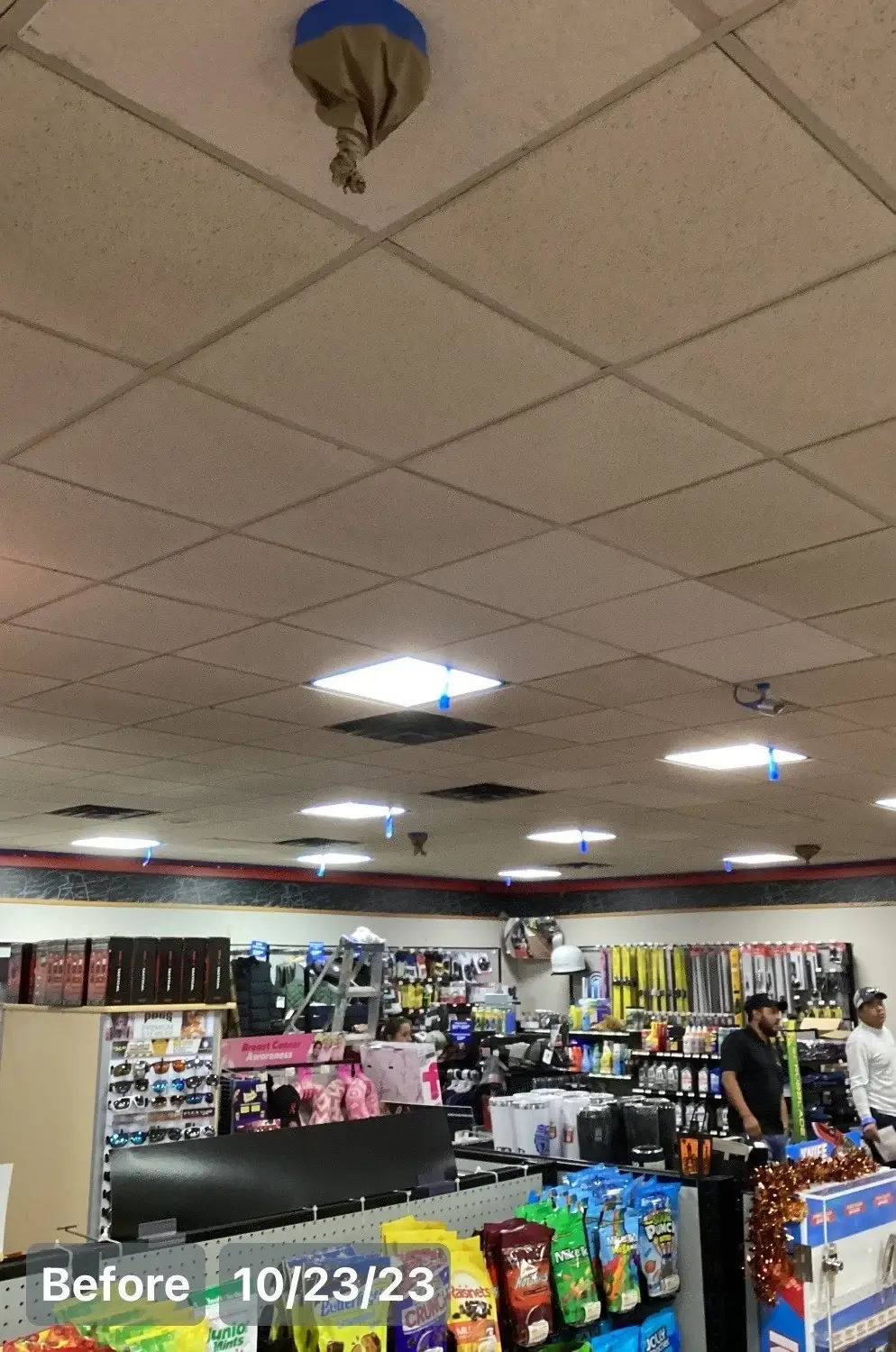
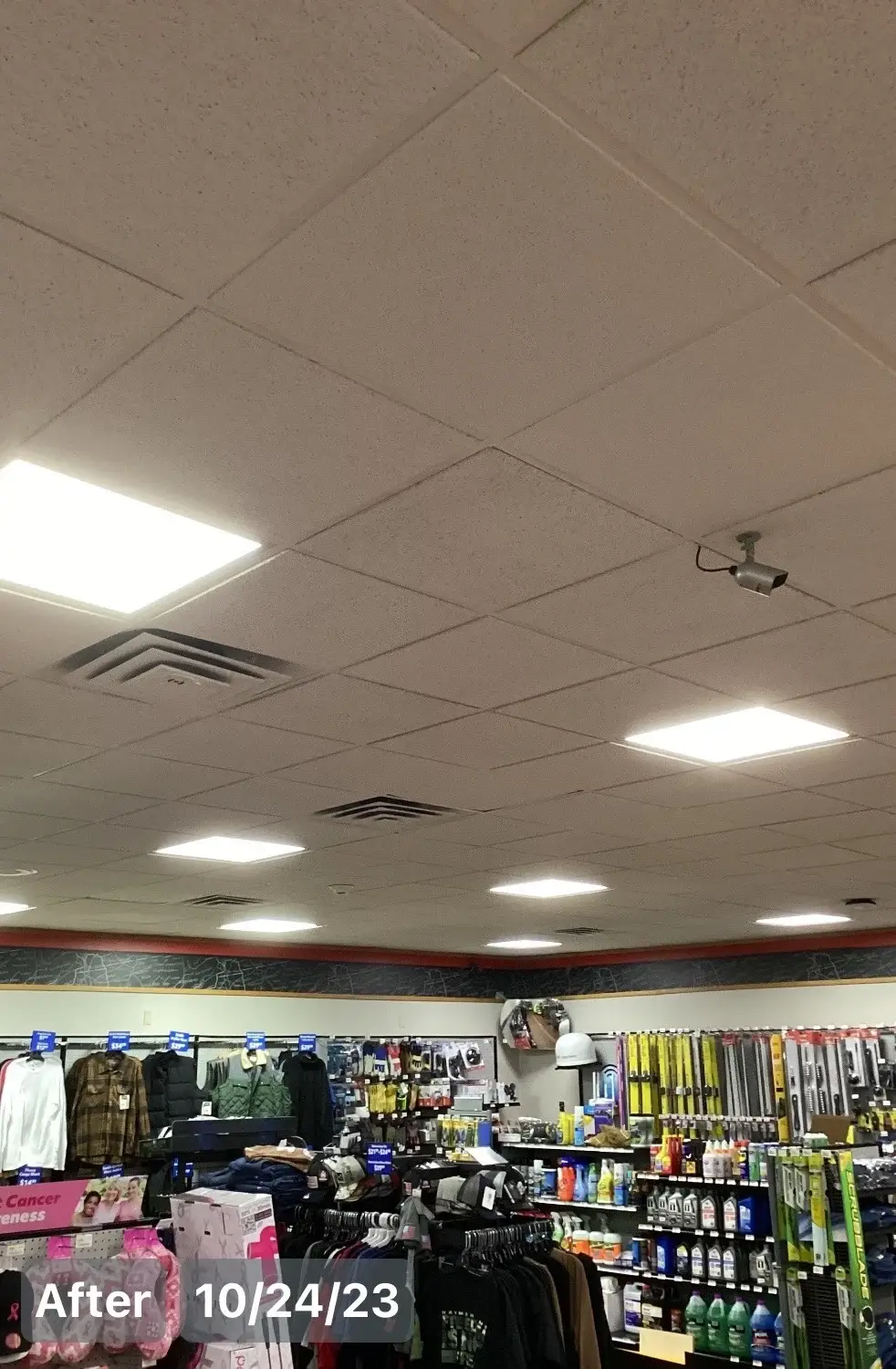
The same tile, restored in place. The grid and the air diffusers are coated at the same time, which is the difference between a restored ceiling and a repainted one.
What construction and store planning teams ask first
Is this just painting the ceiling?
No. Paint bridges the tile to the grid and seals the perforations, so the tile will not lift afterward and the sales floor gets louder. The coating is formulated not to bridge that joint, which is why the ceiling still works as a ceiling when the store opens.
How long before we can open?
Most retail footprints are a single overnight shift. Masking comes down before staff arrive, and there is no solvent odor to clear off a sales floor.
What about the deli and the bakery?
Food preparation ceilings take ProVinyl rather than the tile coating: high gloss, washable, with an antimicrobial additive, under Section 09 91 23. Those rooms are usually what an inspection turns on.
What if our tiles are stained, not just dirty?
Water staining is treated before coating, and the source has to be fixed first. Tiles that have failed are replaced. You get that count at the survey, not once the crew is on site.
Can you match our white across every store?
Standard white or a custom tint to your specification, held consistent across the portfolio and recorded, so a program running over many months still reads as one brand at the end of it.
What happens to the Class A flame spread rating?
ProCoustic keeps the ceiling’s Class A rating. In independent ASTM E84 testing, flame spread dropped from 25 to 0 and smoke developed from 10 to 5. The test documentation goes into your file.
What we use in retail and grocery
Retail and grocery, in the field
Forty-one locations in seven months
Twenty-nine states, twenty-seven crews and more than four million square feet, run at one to two stores a week without closing a single one of them to the public.
Forty thousand square feet, two weeks, no closure
A last inspection before a grand opening found the ceiling untouched by the remodel. Restored in place around the fixtures and the stock, finished before the doors opened.
Twenty-two thousand square feet in three nights
A build-out with a one-week ceiling window. Finished in three nights, with four days of labor cost handed back to the general contractor.
Forty-five sites surveyed, and most told no
Every survey completed inside fourteen days, with a coating recommended only on the most severe canopies. The rest were not sound candidates, and were told so.
What a restored store ceiling looks like
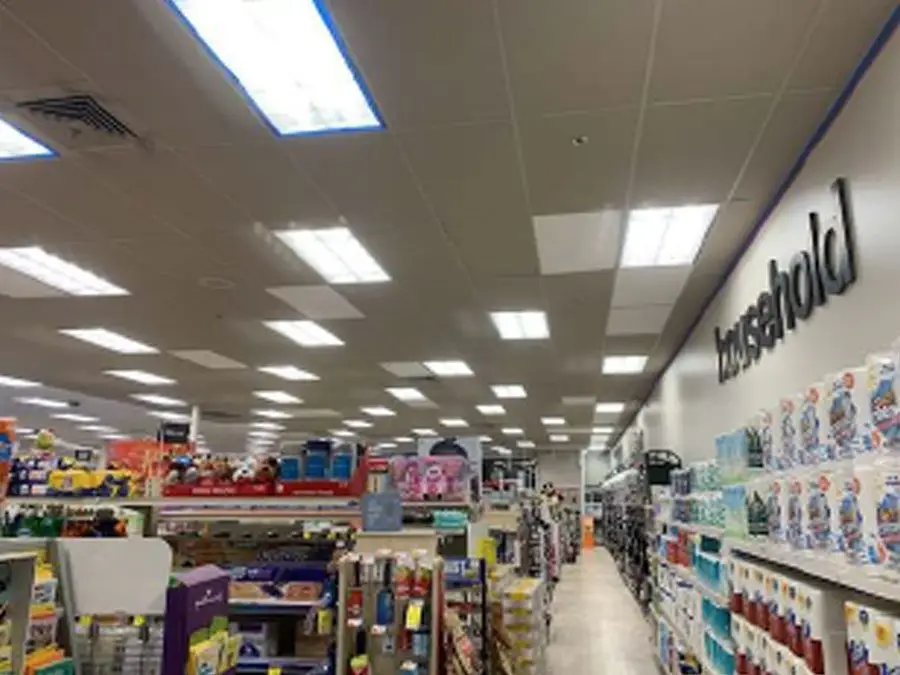
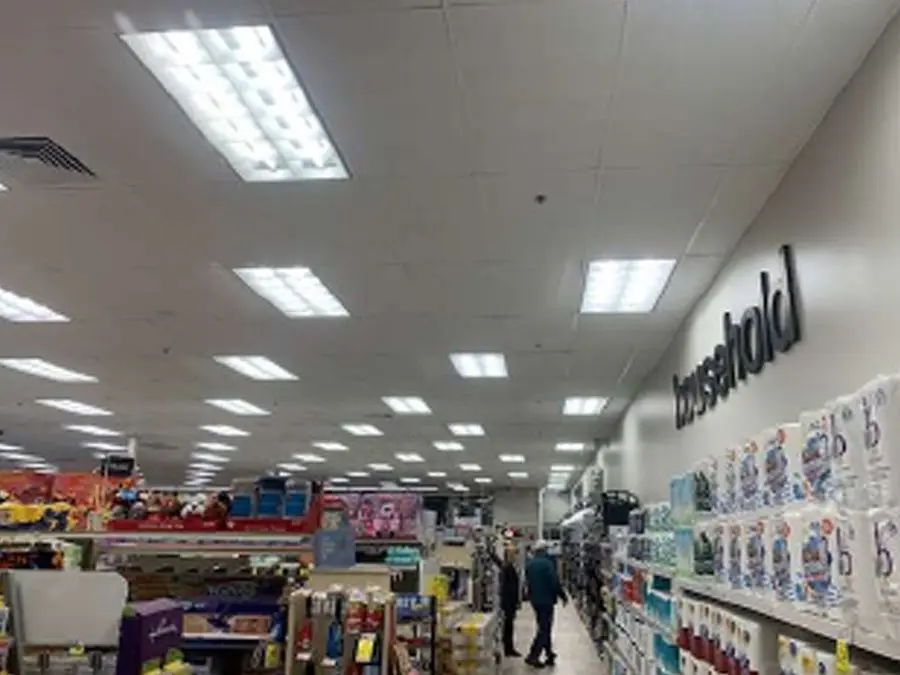
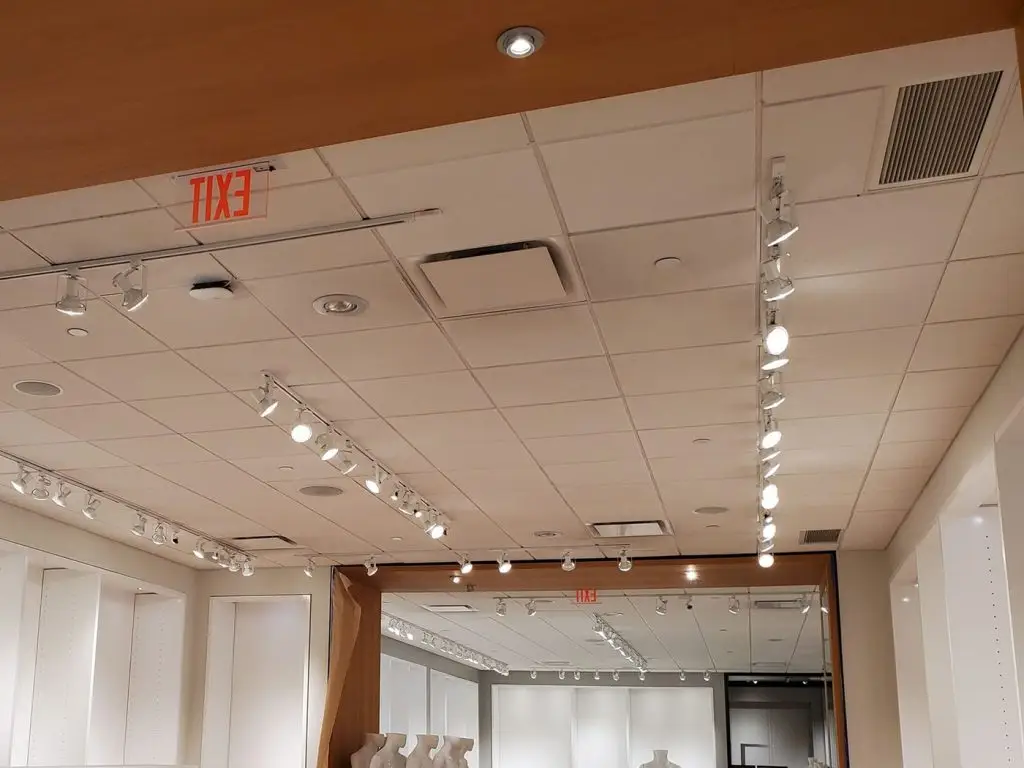
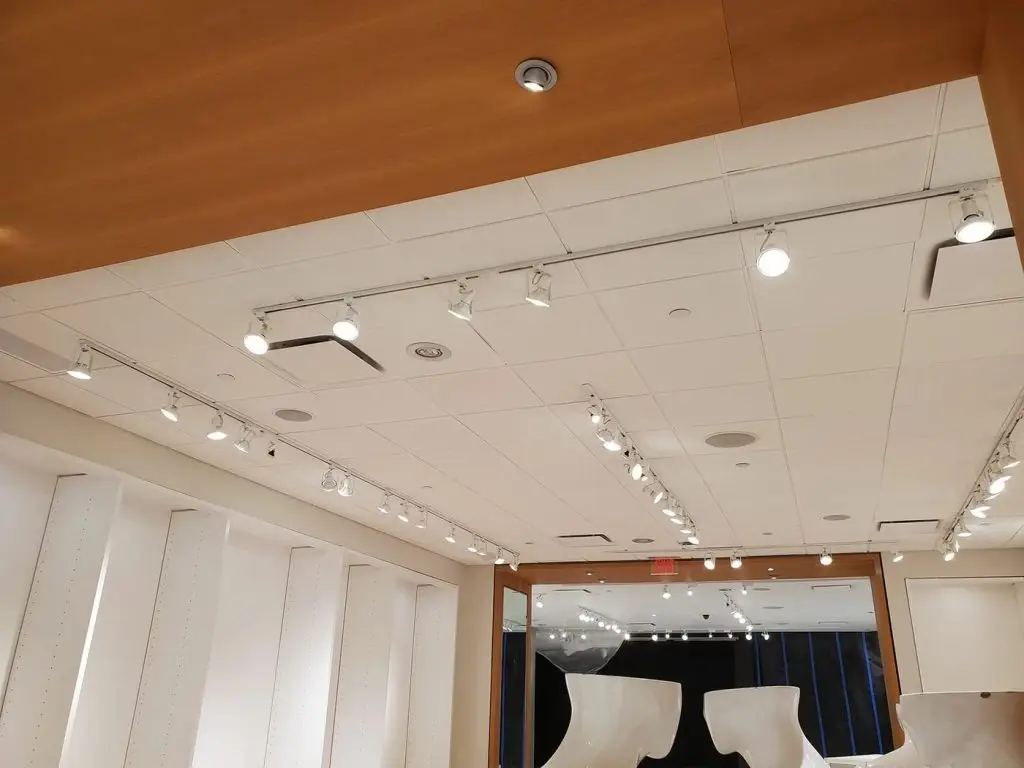
Neither store lost a day. The work happens after closing and the space opens on its normal schedule.
How did you replace all those ceiling tiles in less than a week?